
Traditional Chinese Medicine Clinic KIN
Acupuncture · Cupping · Dry Needling · Stroke Rehabilitation
Chinese Medicine Clinic · Acupuncture · Cupping
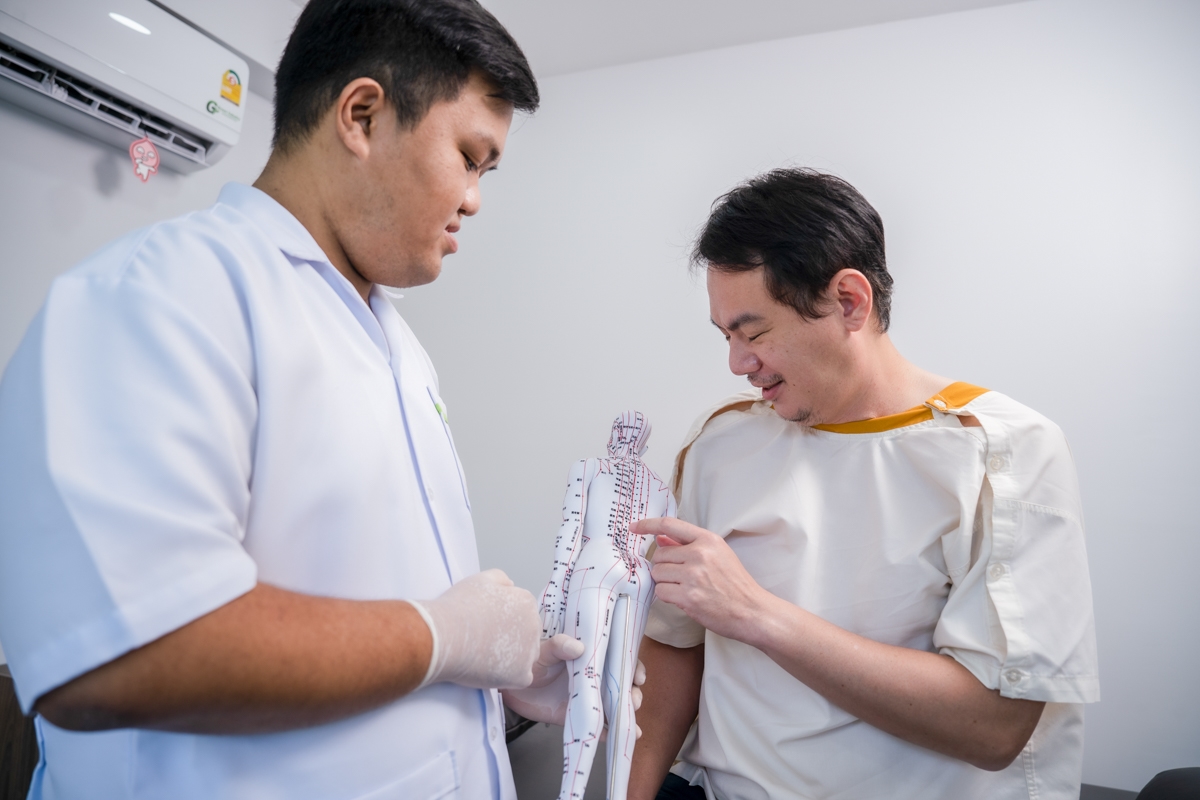
What Is Acupuncture?
“Acupuncture” is an ancient Traditional Chinese Medicine practice long known for treating illnesses, supporting recovery, and restoring balance within the body. The World Health Organization (WHO) recognizes acupuncture as an effective treatment option.
Acupuncture involves inserting fine needles into specific “acupuncture points” located along meridian pathways. The aim is to restore the balance of Qi between Yin and Yang and address dysfunction in different organs. In Traditional Chinese Medicine, meridians are considered pathways associated with the nervous system and the circulation of blood and Qi.
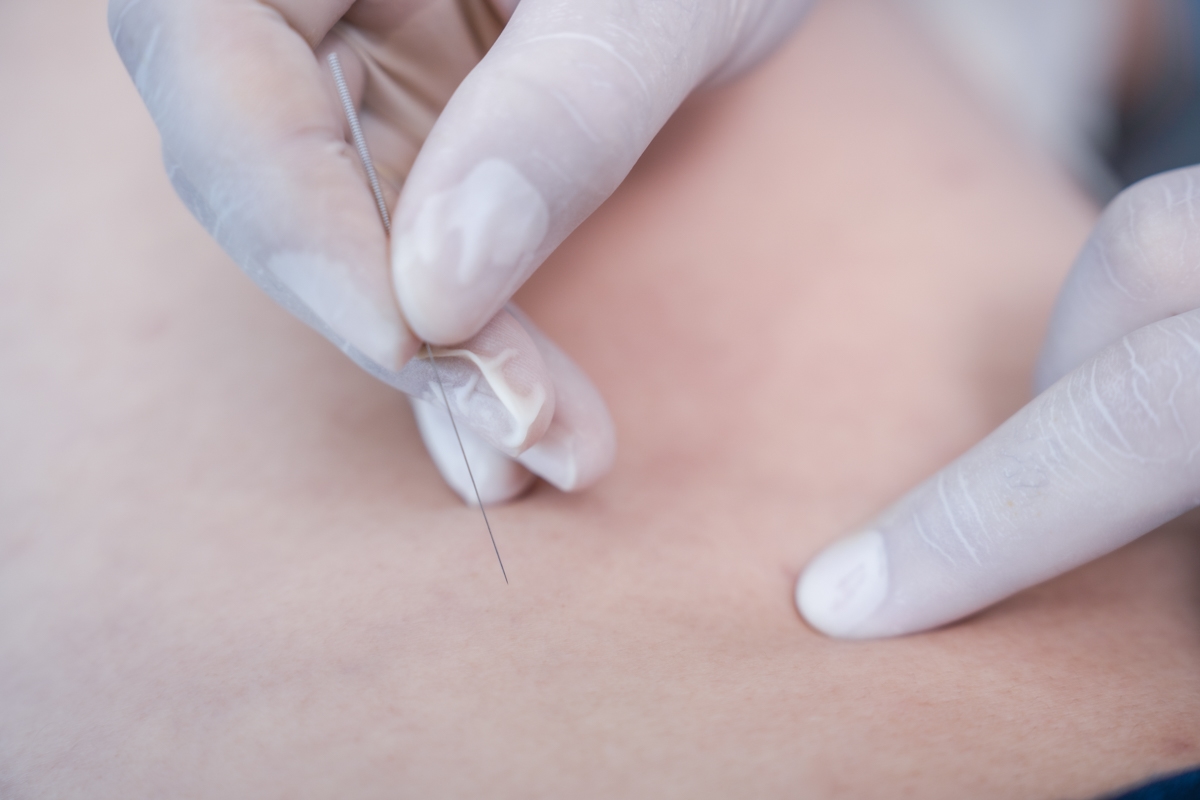
Because KIN provides care for older adults, post-operative rehabilitation, and stroke rehabilitation, acupuncture can help relieve pain, reduce inflammation, promote blood circulation, and support organ balance. It is suitable for use alongside physical therapy to improve rehabilitation outcomes. KIN offers two treatment approaches: acupuncture and cupping therapy
Two Types of Acupuncture Available at KIN
| Type | Details |
|---|---|
| Western-Style Needling (Dry Needling) | Needles are inserted into tight muscle knots or trigger points to relieve pain from Office Syndrome and Myofascial Pain Syndrome. The technique is supported by international research and recommended by the Thai Association for the Study of Pain. |
| Traditional Chinese Acupuncture | Needles are inserted along meridian pathways to address conditions near the acupuncture points, conditions in distant areas, and specific therapeutic indications. The method is recognized by the WHO, and many studies have reported outcomes comparable to or greater than medication for selected conditions. |
Conditions That May Respond Well to Acupuncture
| Condition Group | Symptoms |
|---|---|
| Neurological Conditions | Numbness in the hands and feet; herniated discs with nerve compression |
| Pain and Musculoskeletal Conditions | Office syndrome; neck pain; back pain; lower-back pain |
| General Health Conditions | Anxiety; stress; insomnia; headaches; migraine |
| Balance and Wellness | Supports Yin-Yang balance, immune function, waste elimination, and blood circulation |
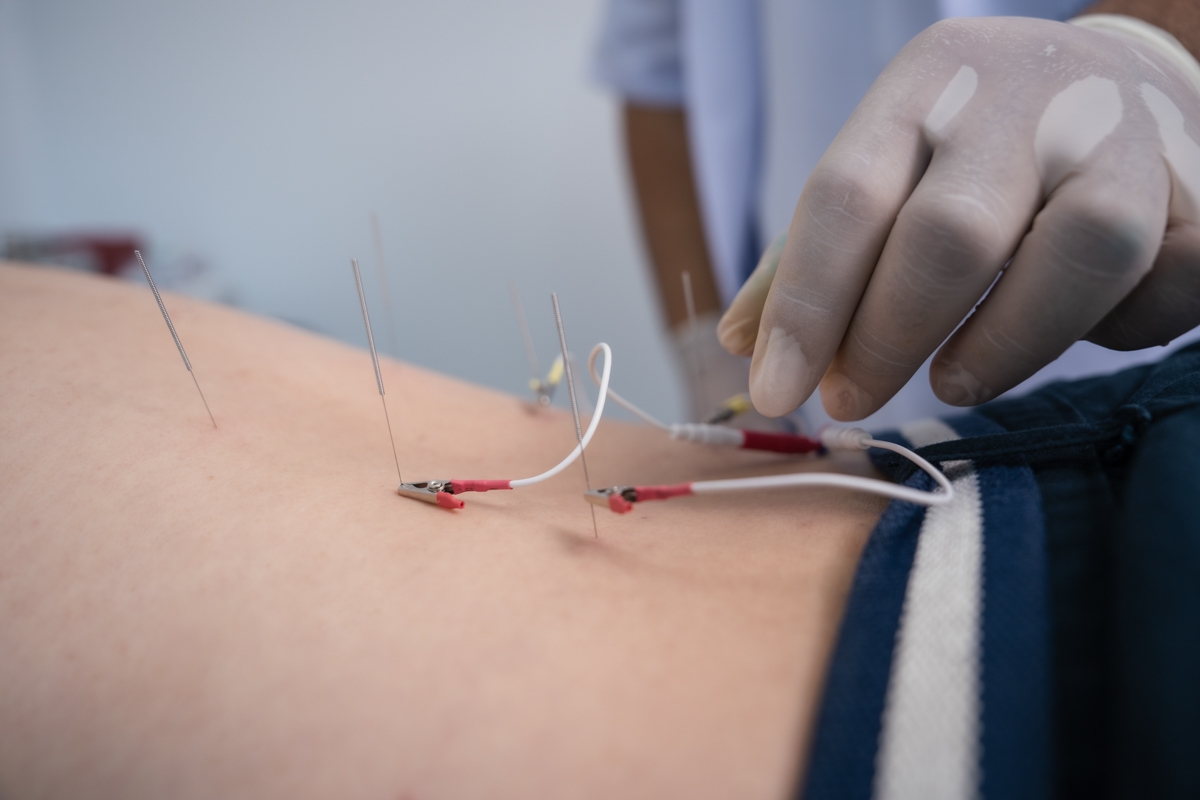
Acupuncture may help relieve or inhibit pain, reduce muscle spasms, decrease inflammation, promote blood circulation, and support the balance of different organs. Today, electrical stimulation devices are also used to enhance treatment effectiveness.
Cupping Therapy
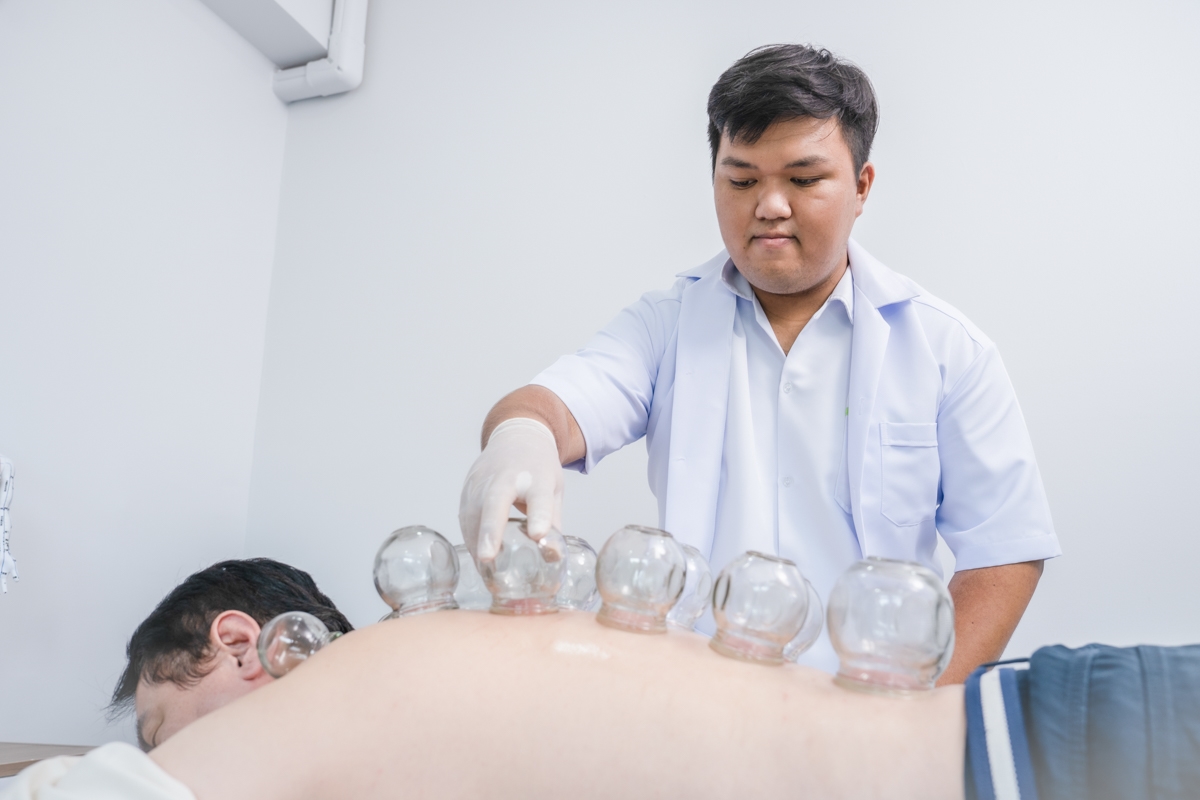
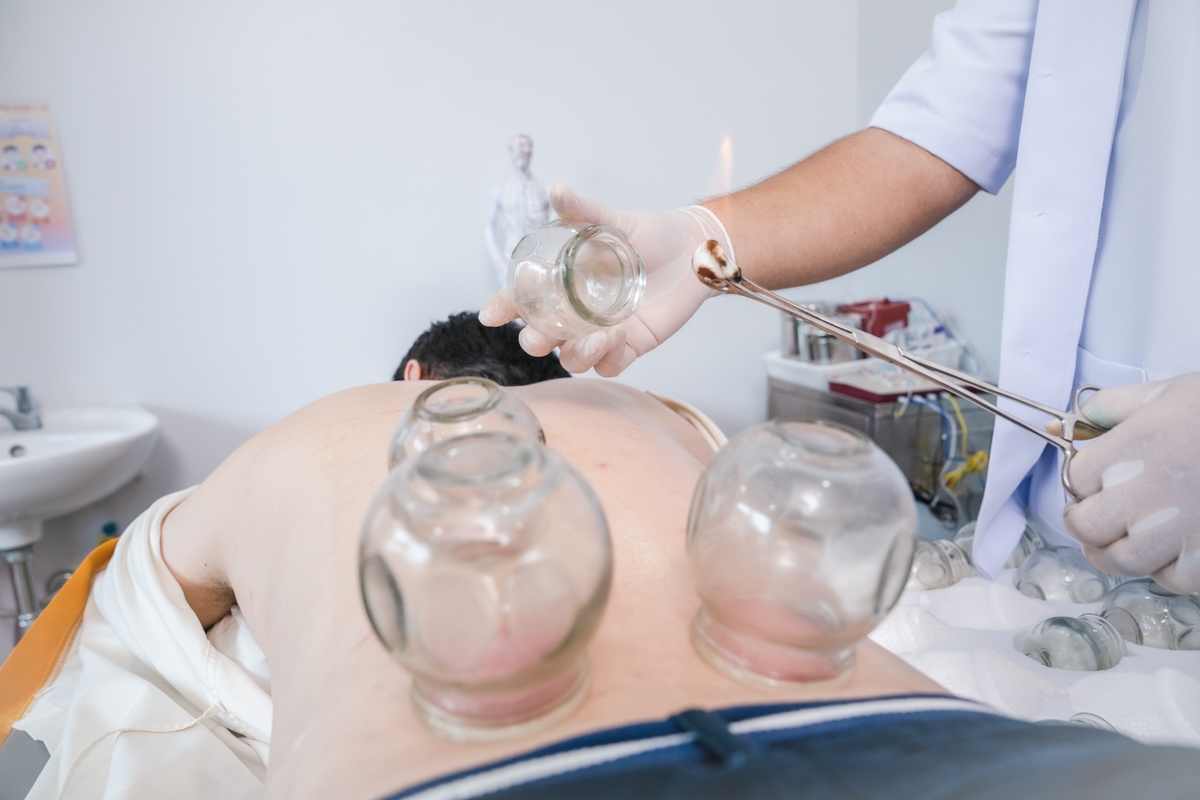
Cupping is another Traditional Chinese Medicine treatment. A flame is briefly placed inside a round cup to create a vacuum, after which the cup is applied to the body. In Traditional Chinese Medicine theory, the warmth helps dispel cold from the meridians, restore the flow of Qi, and relieve pain.
Cupping may promote blood circulation, reduce pain and swelling, and support healthier-looking skin. Temporary dark marks may appear after treatment, but they are generally harmless and usually fade within 5–7 days. Another session can be performed after the marks have faded.
How Can Acupuncture Support stroke patients Rehabilitation?
| Mechanism | Details |
|---|---|
| Promotes Vasodilation | Acupuncture stimulates the sympathetic nervous system, promoting vasodilation and increasing blood flow to the brain. |
| Helps Reduce Recurrent Stroke Risk | Approximately 10% of patients may experience a recurrent stroke within one year. Ongoing acupuncture may help reduce the risk when performed regularly, at least twice per month. |
| Increases BDNF | BDNF is a protein that supports nerve cells, promotes neural branching and connections, and is important for learning and memory. |
| When to Begin Acupuncture | Treatment may begin from the onset of symptoms up to six months afterward. In cases of hemorrhagic stroke, wait approximately two weeks until the condition is stable. |
| After Six Months | May help reduce muscle spasticity, swallowing difficulties, unsteady gait, and the risk of recurrent stroke. |
** Treatment outcomes depend on the condition, duration of illness, and each patient’s response to acupuncture. ** | Reference: Thai-Chinese Medical Institute, Department of Thai Traditional and Alternative Medicine
KIN Traditional Chinese Medicine Programs — Pricing
| Program | Per Session | 5 Sessions | 10 Sessions | 15 Sessions |
|---|---|---|---|---|
| 1. Acupuncture | 740 (First Session: 600) |
3,700 | 7,000 | - |
| 2. Acupuncture + Electrical Stimulation | 850 | 3,900 | 7,400 | - |
| 3. Acupuncture + Cupping | 1,100 | 5,000 | 9,625 | - |
| 4. Cupping | 300 | 1,200 | 2,000 | - |
| 5. Facial Acupuncture + Gua Sha | 1,200 | 5,700 | 10,000 | 14,000 |
| 6. Weight-Loss Acupuncture + Ear Seed Therapy | 1,000 | 4,750 | 8,750 | 12,000 |
* Prices are in Thai baht | Units: THB per session or per course | Contact the branch for more information
Book a Traditional Chinese Medicine Appointment
KIN Wellness
Lat Phrao 71

KIN Origin
Sukhumvit 107
Other Related Services
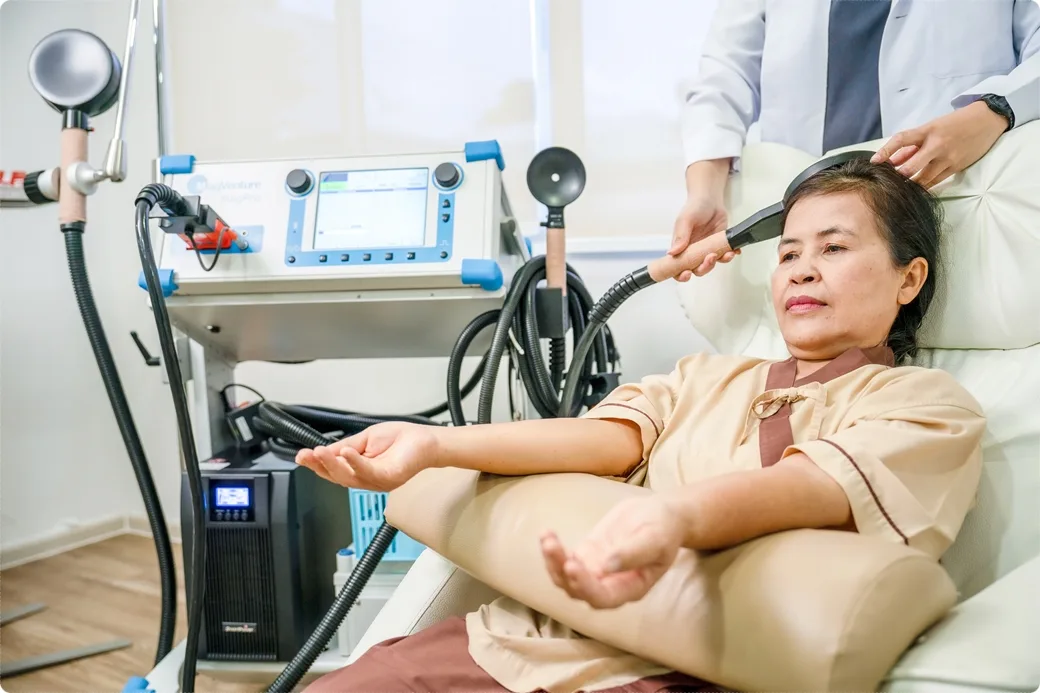
Stroke Rehabilitation
TMS, physical therapy, and robotic gait training
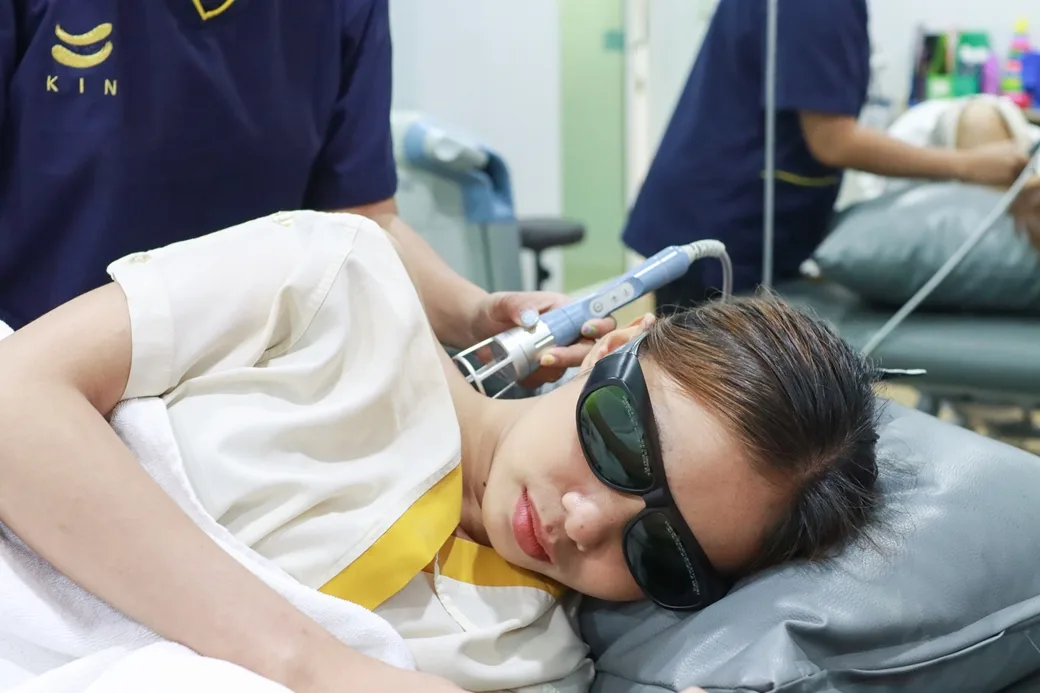
physical therapy
Office syndrome; neck, shoulder, back, and knee pain
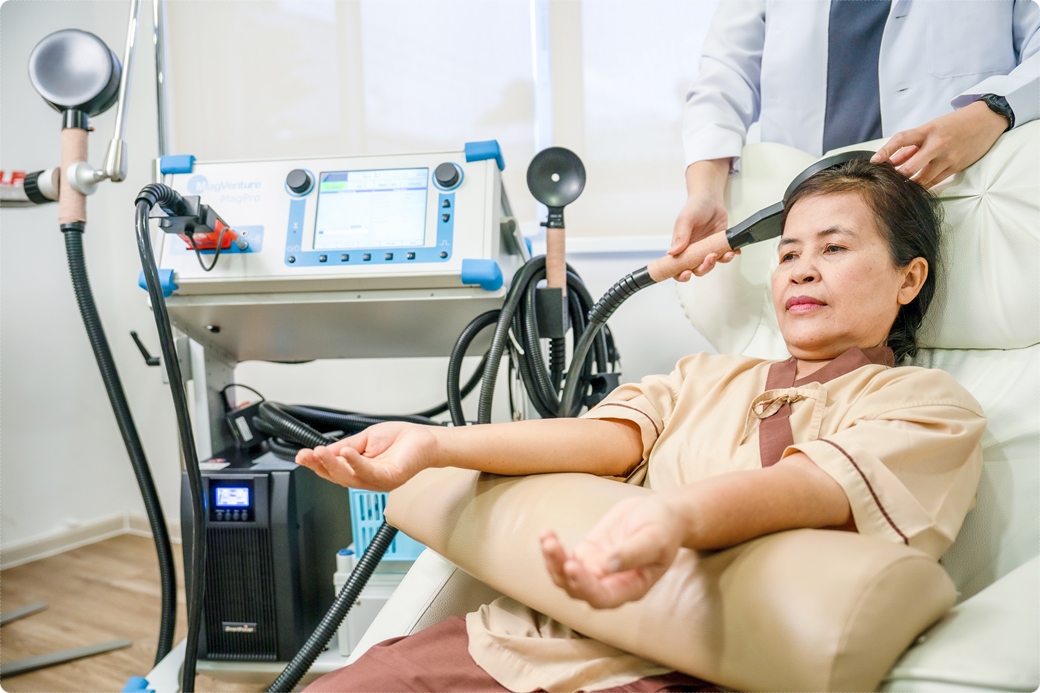
Rehabilitation Technology
TMS, HBOT, Aquatic Treadmill
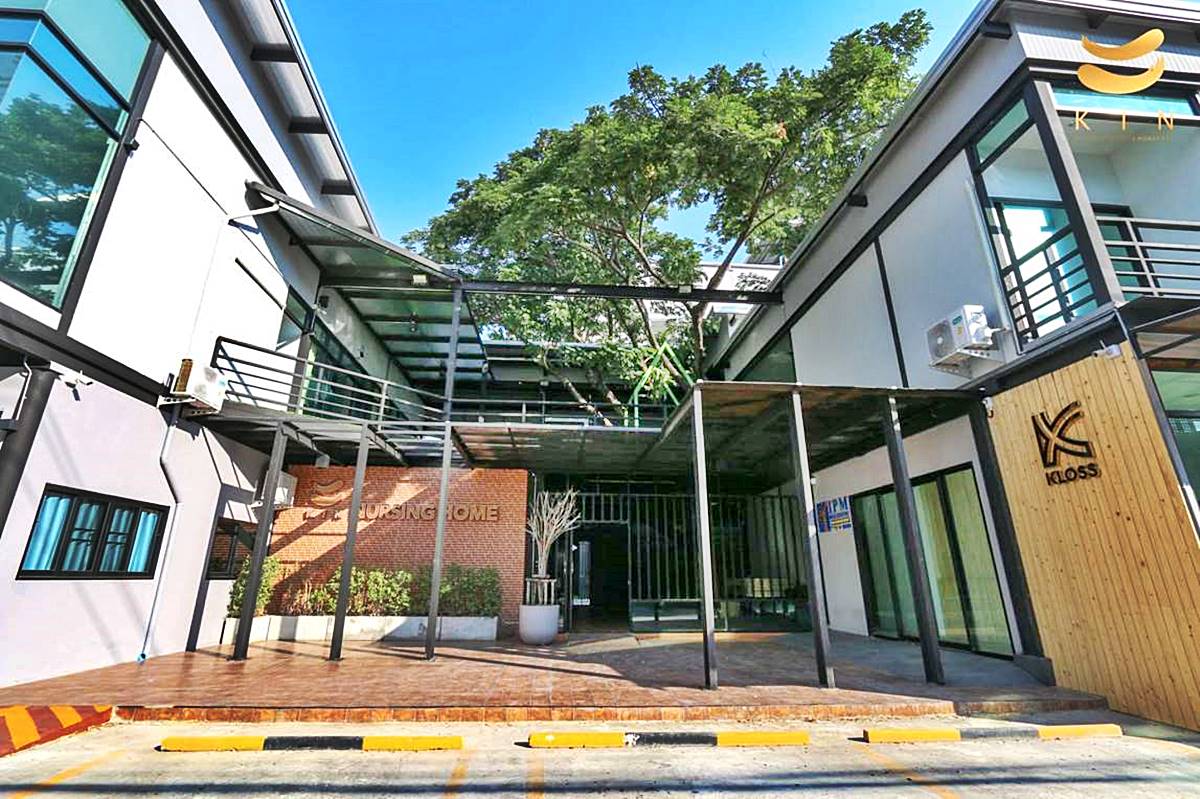
Elderly Care Center
Nursing Home — residential and day-care options
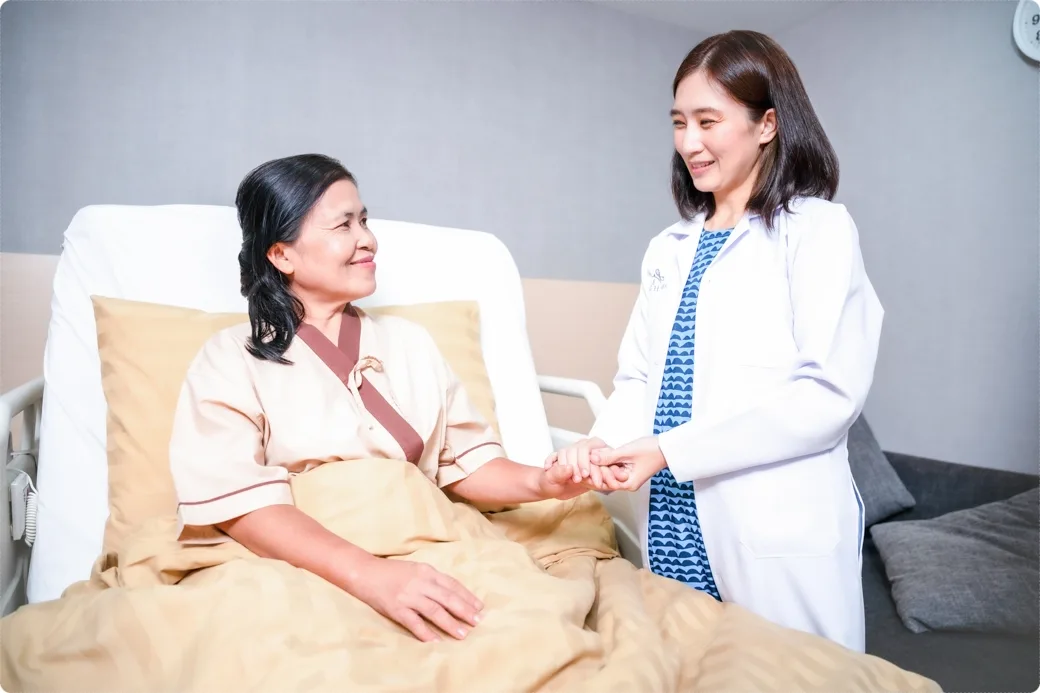
KIN Medical Team
Traditional Chinese Medicine practitioners, neurologists, PTs, and OTs
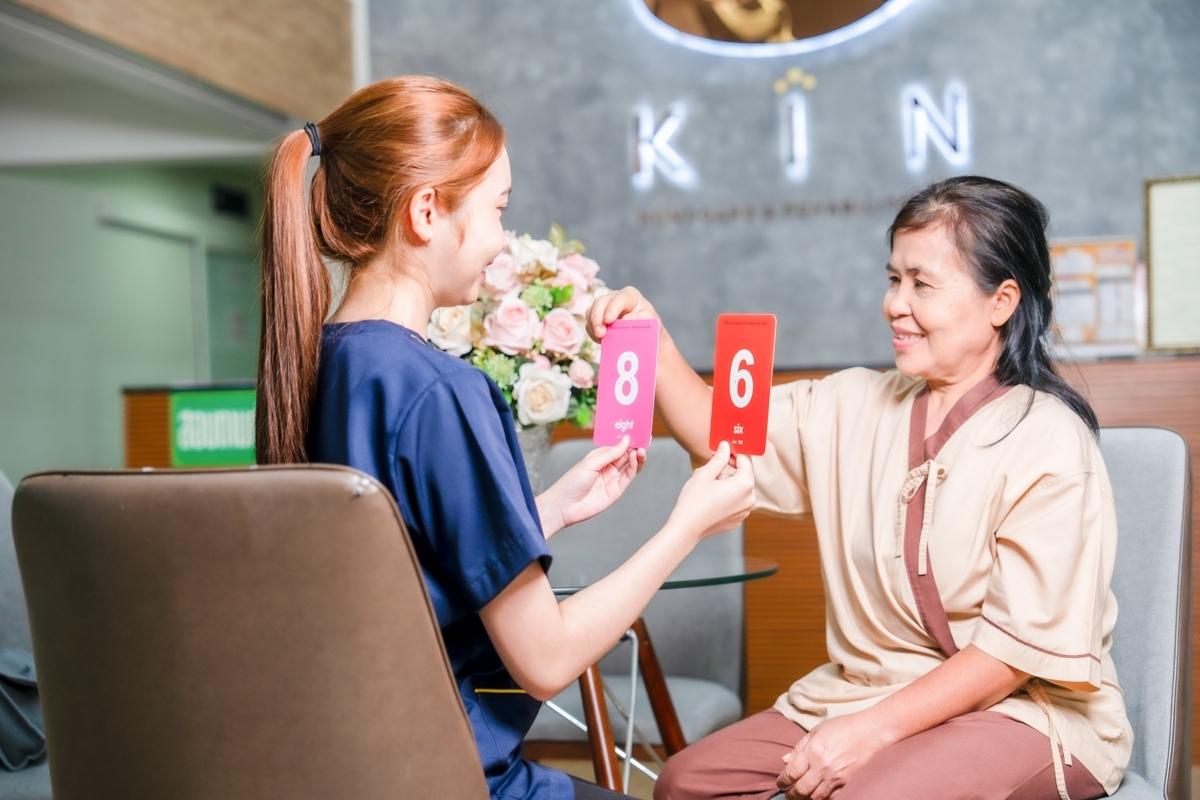
Recreational Activities
Memory training, exercise, and art activities
Content by: KIN Rehabilitation & Homecare Academic Team | Reviewed by a Traditional Chinese Medicine practitioner
Last updated: 2026
Frequently Asked Questions — KIN Traditional Chinese Medicine
What Conditions Can Acupuncture Help Treat?
Acupuncture may help reduce pain, muscle tension, and inflammation while supporting the balance of blood and Qi circulation. It may be suitable for office syndrome, migraine, insomnia, numbness in the hands and feet, and may be combined with physical therapy for post-operative or stroke rehabilitation.
How Much Does Acupuncture Cost?
Prices start at THB 600–740 per session, with the first session at THB 600. A 5-session course is THB 3,700 and a 10-session course is THB 7,000. Acupuncture with electrical stimulation is THB 850 per session, cupping is THB 300 per session, and facial acupuncture with Gua Sha is THB 1,200 per session.
Who Is Cupping Suitable For?
Cupping may be suitable for pain caused by tight muscles or internal cold according to Traditional Chinese Medicine theory. It may promote circulation, reduce pain and swelling, improve sleep, and support healthier-looking skin. Temporary dark marks may appear and usually fade within 5–7 days.
Can Acupuncture Support Stroke Rehabilitation?
Yes. Acupuncture may promote vasodilation, increase BDNF, and help reduce the risk of recurrent stroke. It may begin from symptom onset up to six months afterward; for hemorrhagic stroke, wait approximately two weeks until stable. After six months, it may help reduce spasticity, swallowing difficulties, and unsteady gait. It can be combined with physical therapy to enhance rehabilitation outcomes.
Where Are the KIN Traditional Chinese Medicine Clinics?
KIN Wellness is located at Lat Phrao 71 (Nak Niwat 18), Tel. 084-993-6988. KIN Origin is located on Sukhumvit 107 (Bearing), Tel. 082-361-9119. Appointments can be made through LINE @kinclinic or @KINORIGIN.
How Should I Prepare Before Acupuncture?
Get adequate rest, eat a light meal, avoid caffeine for 2–3 hours before treatment, and inform the Traditional Chinese Medicine practitioner about your current medications and medical conditions.