
Mental Health Clinic
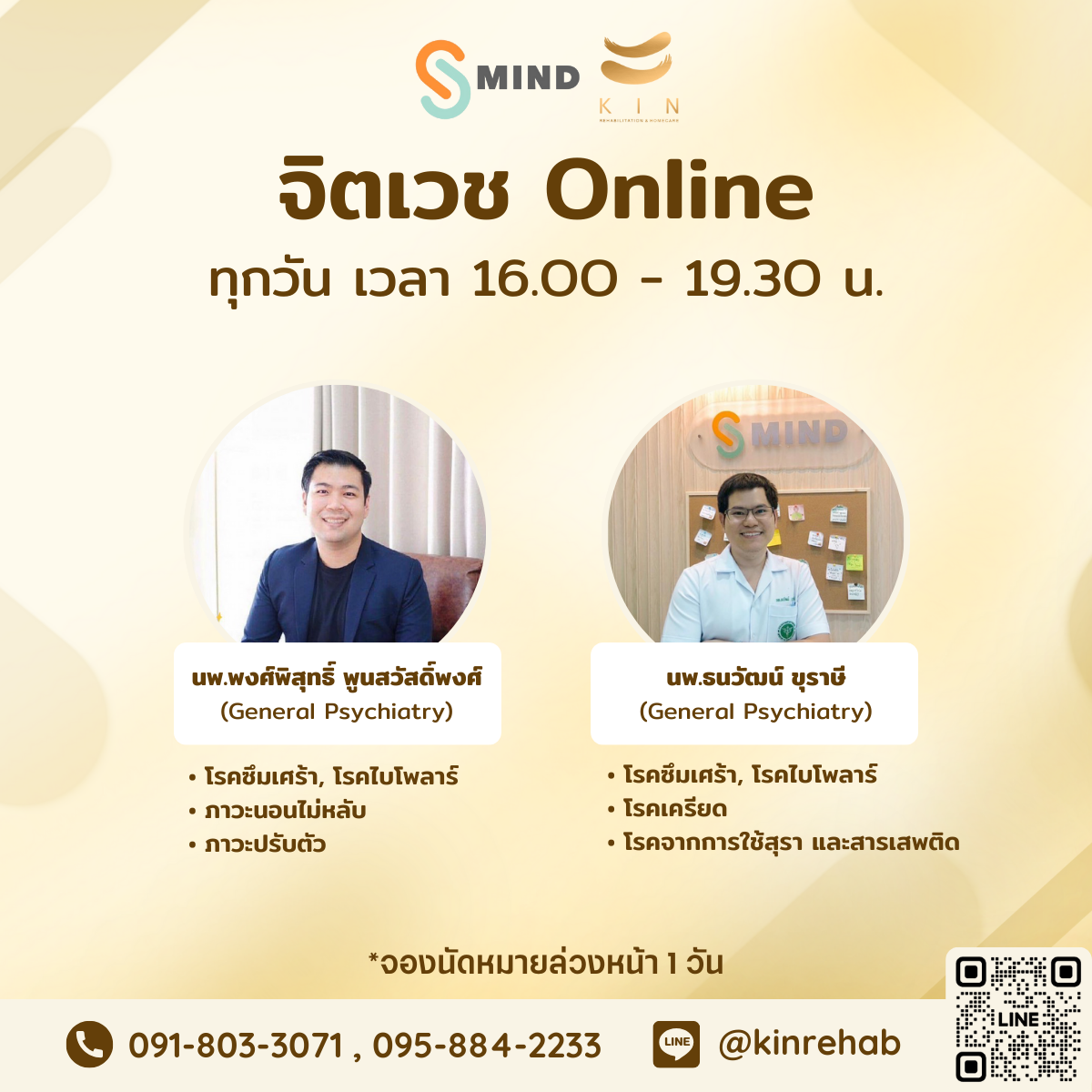

Online Psychiatric Consultation Services
Access mental health care conveniently without the need to travel. Save on costs and maintain privacy with our online psychiatric consultation services. If medication is prescribed, it will be delivered directly to your home. Consultations are available daily from 4:00 PM to 7:30 PM.
Our team of expert Psychiatrists Includes :
Dr. Pongsapisut Poonsawatpong
Dr. Thanawat Khurasi
• Depression
• Bipolar Disorder
• Anxiety Disorders
• Substance Abuse and Addiction
• Panic Disorder
• Insomnia
• Adjustment Disorders
After speaking with a psychiatrist, many people experience:
• Better relationships
• Increased assertiveness
• Improved focus
• Greater self-love
• Higher self-confidence
• Enhanced happiness
• Better management of personal and work matters

KIN Mental Health Clinic
KIN Mental Health Clinic prioritizes patients with psychiatric disorders by offering expert psychiatric evaluation and treatment. The stresses of modern life can impact emotional and mental well-being, leading to psychiatric illnesses. If you experience symptoms like stress, insomnia, loss of appetite, short attention span, depression, or unusual behavior, it's essential to consult a psychiatrist for accurate diagnosis and treatment.
Conditions Treated
• Stress-related disorders
• Anxiety disorders
• Panic Disorder
• Schizophrenia
• Post-Traumatic Stress Disorder (PTSD)
• Bipolar Disorder
• Dementia
• Depression
• Specific Phobias
.jpg "คลินิกสุขภาพจิต")
Understanding Mental Health Disorders
Currently, many people are suffering from psychiatric disorders, some of whom are aware of their condition, while others are not. What's more concerning is that some patients may confuse psychiatric symptoms with physical illnesses. When they undergo physical examinations, no abnormalities are found. Therefore, it's crucial to provide education about mental health disorders so that patients can recognize their symptoms and observe those around them to identify potential issues. This knowledge helps manage and treat the conditions effectively.
What is a Mental Health Disorder?
A mental health disorder is a group of psychological or behavioral symptoms that impair a person's daily functioning or cause significant distress. These symptoms can worsen over time, potentially leading to life-threatening complications. Common psychiatric disorders require careful observation of oneself and others. If abnormalities affect daily life, it's essential to consult a psychiatrist for proper diagnosis and treatment before the condition becomes severe.
Dementia
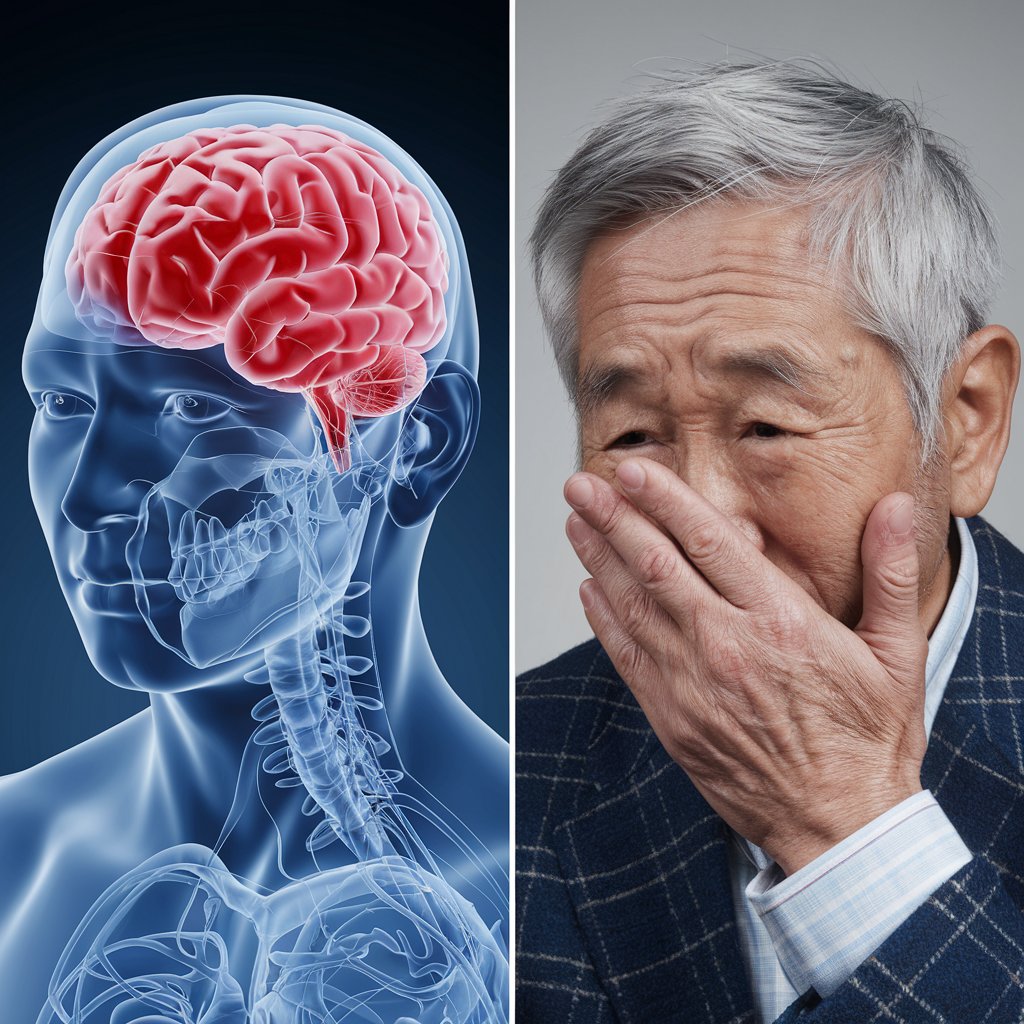
Dementia is a condition characterized by a decline in cognitive function that impacts daily life. It often presents as an inability to remember newly learned information, with patients frequently forgetting things and recalling only past events. This condition is most commonly seen in individuals aged 65 and older. Depending on the cause, dementia can be either curable or incurable
Curable causes of dementia include
- Hydrocephalus (fluid accumulation in the brain)
- Brain tumors
- Brain hemorrhage
- Thyroid disorders
- Vitamin B12 deficiency
- Syphilitic infection in the brain
- Autoimmune diseases
- Side effects of certain medications
In some cases, depression may cause memory issues known as pseudodementia, which can improve with treatment for depression. However, common incurable causes include Alzheimer's disease and vascular dementia.
Understanding and recognizing these conditions is vital for early intervention and effective management. If you notice any symptoms that interfere with daily life, it's essential to seek psychiatric consultation to prevent the condition from worsening.
สอบถามข้อมูลการฟื้นฟู
และนัดดูสถานที่



Depression (Major Depressive Disorder)
Depression Symptoms
Patients with depression often experience feelings of sadness, hopelessness, and worthlessness. They may become easily emotional, cry frequently, and feel like a burden to others. Other symptoms include poor concentration, forgetfulness, lack of interest in daily activities, insomnia, loss of appetite, and physical symptoms like headaches. Some patients may not feel sad but instead lose interest in everything around them and struggle to find a reason to continue living. Without proper treatment, there is a high risk of suicide. If these symptoms persist for more than two weeks, it is crucial to see a doctor to assess whether depression is present
Common Symptoms of Depression
- Emotional Changes: Persistent sadness, hopelessness, and frequent crying.
- Cognitive Changes: Pessimistic thoughts, feelings of worthlessness, thinking of oneself as a burden, and possible suicidal thoughts.
- Memory and Concentration Issues: Forgetfulness, lack of focus, and decreased work efficiency.
- Physical Symptoms: Fatigue, insomnia, loss of appetite, weight loss, headaches, and body aches.
Panic Disorder
Panic disorder is characterized by sudden episodes of intense fear or discomfort, often triggered by the autonomic nervous system's heightened sensitivity to stimuli. Symptoms include shortness of breath, rapid heartbeat, dizziness, chest tightness, and a feeling of impending doom or death. The first episode typically occurs in a stressful or triggering situation, and similar episodes may follow when encountering similar circumstances. Each panic attack usually lasts around 10–20 minutes and then subsides. However, suppose a person develops ongoing anxiety about future panic attacks, along with behavioral changes such as avoiding certain places or activities. In that case, it is essential to seek help from a psychiatrist.
Schizophrenia
Schizophrenia is a chronic mental disorder where patients may experience auditory hallucinations (hearing voices) and delusions. They might talk to themselves, laugh without reason, or become paranoid. If symptoms persist for more than six months without treatment, it can become increasingly challenging to manage, and treatment outcomes may be less favorable. Schizophrenia requires long-term treatment to help manage symptoms. A common issue is that patients may believe they are cured and stop taking their medication, which often leads to a relapse. Restarting treatment from the beginning is usually necessary if medication is stopped for more than 3-4 months
Post-Traumatic Stress Disorder
PTSD occurs after a person has experienced or witnessed a traumatic or terrifying event. This disorder can cause ongoing fear, anxiety, and hypervigilance, leading to symptoms like nightmares, flashbacks, and avoidance of situations that remind them of the trauma. PTSD can significantly impact daily life, and it is essential to seek treatment to manage symptoms and improve quality of life
Bipolar Disorder
Bipolar disorder, also known as manic-depressive illness, involves mood swings that range from depressive lows to manic highs. During depressive episodes, symptoms are similar to those of major depression, including sadness, hopelessness, and loss of interest in activities. These episodes can last for weeks or months. During manic episodes, individuals may feel highly energetic, talkative, and euphoric, with decreased need for sleep. They might make impulsive decisions, have trouble controlling their behavior, and become irritable or agitated if things do not go their way. Managing bipolar disorder typically requires ongoing treatment to stabilize mood and prevent extreme mood swings.
Characteristics of Depressive Episodes in Bipolar Disorder
-
Feeling depressed for most of the day.
-
Significant decrease in interest or pleasure in almost all activities.
-
Noticeable weight loss or gain, loss of appetite, or overeating nearly every day.
-
Insomnia or excessive sleep.
-
Restlessness or sluggishness.
-
Fatigue or loss of energy.
-
Feelings of worthlessness or excessive guilt.
-
Frequent thoughts of death or suicide.
Characteristics of Manic Episodes in Bipolar Disorder
-
Elevated mood, excessive energy, or extreme irritability.
-
Inflated self-esteem or a sense of grandiosity.
-
Reduced need for sleep with racing thoughts.
-
Excessive energy.
-
Easily distracted, with a tendency to jump from one interest to another.
-
Engaging in reckless spending.
-
Talking excessively or being unable to stop talking.
-
Lack of awareness of their changed behavior.
Specific Phobias
A specific phobia is an intense fear of a particular object or situation, such as heights, darkness, certain animals, or blood. This fear often leads to immediate avoidance of the feared object or situation. In severe cases, mentioning or encountering something related can trigger intense fear.
It is essential to observe those around you for signs of psychiatric conditions. If you notice significant changes in behavior, difficulty with daily activities, or strained relationships with colleagues and family, offer support and, if there is no improvement, encourage them to seek medical attention
Acknowledgment
Professor Dr. Manoj Lottakul, Department of Psychiatry, Faculty of Medicine, Ramathibodi Hospital, Mahidol University, provided this information
Contact
KIN - Rehabilitation & Homecare

Line
@Kinrehab

Call
091-803-3071
Call
095-884-2233